
- Get link
- X
- Other Apps
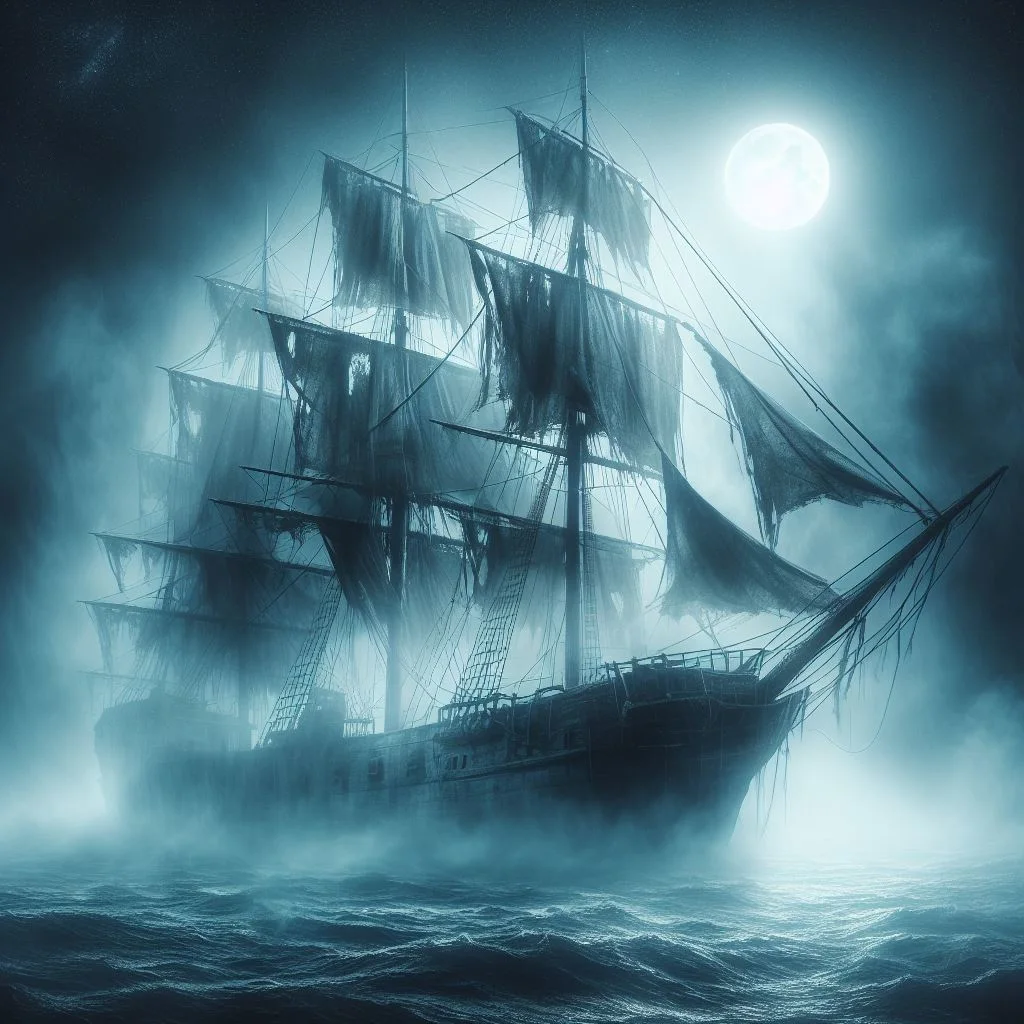
The Mary Celeste ghost ship was found floating in the Atlantic Ocean in 1872 with no one on board. The crew disappeared without a single clue, leaving behind a full cargo and personal belongings. It remains one of the most famous unsolved sea mysteries in history.
What happened on the Mary Celeste in 1872?
On November 7, 1872, the ship set sail from New York City toward Genoa, Italy. On board was Captain Benjamin Briggs, his wife, his two-year-old daughter, and seven crew members. The ship carried 1,701 barrels of industrial alcohol. Everything was normal for the first two weeks of the trip across the water.
On December 4, 1872, a British ship called the Dei Gratia spotted the vessel floating midway between the Azores and Portugal. Captain David Morehouse knew Captain Briggs and thought it was strange to see the ship drifting. He sent his crew over in a small boat to investigate. They stepped onto the deck and found complete silence.
What were the real facts found on board?
The sailors from the Dei Gratia searched every room to see if anyone was left alive. What they found surprised everyone and made the story famous across the world.
- The crew was gone: All ten people had left the ship, along with the single lifeboat.
- Plenty of supplies: There was six months of food and fresh water left in the hold.
- Valuables remained: The crew left their money, clothes, and personal toys behind.
- Cargo was intact: All 1,701 barrels of alcohol were still there, though nine were later found empty.
- Damage was small: There was three feet of water in the hold, but the ship was still good to sail.
Why did the crew abandon a working ship?
The last entry in the ship log was written on November 25, nine days before the ship was found. It listed their location near Santa Maria Island in the Azores. Nothing in the log mentioned bad weather, trouble with the ship, or any danger. The people simply stepped off a safe ship and into a tiny lifeboat in the middle of the deep ocean.
Many people think the alcohol barrels were the cause of the panic. Nine barrels were made of red oak, which is more porous than white oak. The alcohol fumes may have leaked out and filled the room. Captain Briggs might have feared a huge explosion. He may have ordered everyone into the lifeboat, holding a rope tied to the main ship, until the danger passed. Then, a sudden storm could have snapped the rope and left them stranded.
What are the main theories about the disappearance?
Over the years, people have offered many ideas about what took place. Some thought sea monsters or pirates attacked the ship. But pirates would have stolen the valuable cargo and the money left in the cabin. There were also no signs of a fight, no blood, and no weapons drawn anywhere on the deck.
Others believed the crew turned on the captain, but Captain Briggs was known as a fair and kind leader. A more grounded theory involves the ship instruments. The pump used to clear water from the bottom of the ship was taken apart on the deck. Captain Briggs might have thought the ship was sinking faster than it really was, making him panic and leave before it was necessary.
What can you learn from the mystery today?
The story shows how fast fear can cause people to make bad decisions. Captain Briggs left a dry, sturdy ship to jump into an open rowboat in the middle of a huge ocean. In a moment of panic, the safe choice felt like the dangerous one, and the dangerous choice killed them. You can read about other unsolved maritime cases in lists of problems in ocean history.
Next time you face a fast decision under pressure, take a breath and look at the real facts around you. Do not let fear force you out of a safe spot until you know for sure what the real danger is. What do you think made the crew jump into the sea?
Comments
Post a Comment